New Clinical Trials for Restless Leg Syndrome
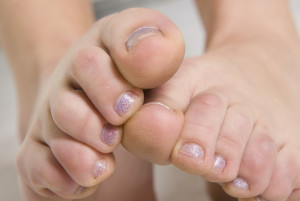 Restless leg syndrome is a controversial diagnosis. While many physicians believe it to be a legitimate condition, further restless leg syndrome clinical research is needed to solidify and legitimize diagnosis criteria. Pharmaceutical companies have also been accused of conducting their own restless leg syndrome clinical studies.
This cast doubt on their claims that they had a drug to treat this ailment. For those who suffer from it, they can be assured knowing there are ongoing legitimate restless leg syndrome clinical trials being conducted.
What is Restless Leg Syndrome?
Restless leg syndrome (RE) is a condition where people have an irresistible urge to move certain body parts due to feelings of burning, itching or tickling. This can occur in their legs, torso or arms. For some people this condition lasts only briefly and it can go away, but for others it is progressive and lasts a lifetime. Movement of the affected limb brings relief, but the relief may not last long. Many sufferers call it an antsy feeling. The cause of restless leg syndrome is not known; however, it has been linked to iron deficiency, varicose veins, Fibromyalgia, and sleep apnea. Restless leg syndrome is also called Wittmaack-Ekbom syndrome.
Restless Leg Syndrome Treatments
The first thing to do in treating restless leg syndrome is to diagnose and treat any underlying causes. Treating restless leg syndrome can be an expensive lifelong endeavor with unpleasant side effects. The second goal is to reduce the frequency and intensity of the urges to move. Medications that are most often prescribed are dopamine agonists. Others include opioids, benzodiazepines and anticonvulsants. Other things patients can due to reduce their symptoms include avoiding stimulants like caffeine, alcohol and tobacco. Relaxation techniques such as hot baths and stretching have shown helpful in the treatment of restless leg syndrome.
We've found
12 Restless Leg Syndrome
clinical trials
Click here to add this to my saved trials
 Restless Legs Syndrome Clinical Trial
Cranial Electrotherapy for Military Beneficiaries With Restless Legs Syndrome
Status: Enrolling
Restless Legs Syndrome Clinical Trial
Cranial Electrotherapy for Military Beneficiaries With Restless Legs Syndrome
Status: Enrolling
Updated: 11/2/2015
Click here to add this to my saved trials
Hematology, Neurology, Rheumatology Clinical Trial
Pilot Study: Randomized, Placebo-controlled Comparator Trial of IV vs Oral Iron Treatment of RLS With IDA. (IVOR-IDA)
Status: Enrolling,
Phase
II
Updated: 12/31/1969
Click here to add this to my saved trials
Neurology, Rheumatology Clinical Trial
Switching From Oral Dopamine Agonists to Rotigotine
Status: Enrolling,
Phase
IV
Updated: 9/9/2014
Click here to add this to my saved trials
Restless Legs Syndrome Clinical Trial
Yoga vs. Education for Restless Legs Syndrome: a Feasibility Study
Status: Enrolling
Updated: 12/31/1969
Click here to add this to my saved trials
Neurology, Rheumatology Clinical Trial
Spinal Cord Stimulation for Restless Legs Syndrome
Status: Enrolling
Updated: 12/31/1969
Click here to add this to my saved trials
Click here to add this to my saved trials
Click here to add this to my saved trials
Restless Legs Syndrome Clinical Trial
Effects of Gabapentin Enacarbil on Arousals, Heart Rate, Blood Pressure and PLMs in Restless Legs Syndrome
Status: Upcoming,
Phase
IV
Updated: 4/22/2015
Click here to add this to my saved trials
Neurology, Rheumatology, Other Clinical Trial
Impact of Acute Leg Cycling at Various Intensities on RLS Severity in Persons With MS
Status: Upcoming
Updated: 12/31/1969
Click here to add this to my saved trials
Restless Legs Syndrome Clinical Trial
Butrans for Treatment of Restless Legs Syndrome
Status: Upcoming,
Phase
IV
Updated: 5/13/2014
Click here to add this to my saved trials
Restless Legs Syndrome Clinical Trial
REST Study (CompRESsion Therapy for RLS)
Status: Enrolling,
Phase
Updated: 12/31/1969
Click here to add this to my saved trials

Updated: 11/2/2015
Updated: 12/31/1969
Updated: 9/9/2014
Updated: 12/31/1969
Updated: 12/31/1969
Updated: 4/22/2015
Updated: 12/31/1969
Updated: 5/13/2014
Updated: 12/31/1969