New Clinical Trials for Atrial Fibrillation
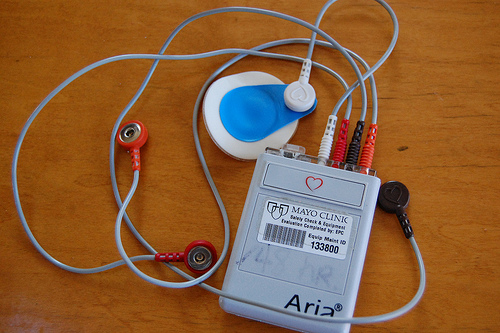 Atrial fibrillation clinical studies focus on many aspects of the disease. Some study ways to prevent it while others look at managing it in order to prevent it from resulting in more severe conditions such as stroke and heart failure. If you have been diagnosed with atrial fibrillation you are most likely an excellent candidate to take part in a clinical trial.
If you feel that you may qualify and are interested in participating in a current atrial fibrillation clinical trial, please review the list below. Participation in clinical trials is always at no cost to you.
What is Atrial Fibrillation?
Atrial fibrillation is the most common form of an abnormal heart rhythm. It occurs when heart muscles quiver rather than pump blood in rhythmic contractions. Atrial fibrillation in itself may not be detectable or dangerous to a patient, but it is an indication of possible future ailments such as stroke, heart failure and palpitations. Atrial fibrillation can sometimes be detected by taking a pulse and an EKG will also reveal it. The risk of developing atrial fibrillation increases with age and the condition tends to become chronic.
Atrial Fibrillation Treatments
The main goal in treating atrial fibrillation is to prevent instability in the circulatory system that could ultimately lead to a stroke. When blood is not being pumped correctly it can pool and clot. It is sometimes treated with anticoagulation medications such as aspirin that help prevent blood from clotting. Atrial fibrillation treatments also include rate control and rhythm control. Rate control reduces the heart rate to a normal one while rhythm control aims to regulate the rhythm of the heart beat. Another available treatment is called cardioversion. Cardioversion uses either electric shock or chemicals to regulate the heart beat.
We've found
614 Atrial Fibrillation
clinical trials
Atrial Fibrillation Clinical Trial
nContactSurgical Numeris-AF Tethered Coagulation System for Treatment of Persistent & LSP AF
Status: Enrolling
Updated: 4/22/2013
Click here to add this to my saved trials
 Cardiology / Vascular Diseases, Other Clinical Trial
Identification of Genomic Predictors of Adverse Events After Cardiac Surgery
Status: Enrolling,
Phase
Cardiology / Vascular Diseases, Other Clinical Trial
Identification of Genomic Predictors of Adverse Events After Cardiac Surgery
Status: Enrolling,
Phase
Updated: 12/31/1969
Click here to add this to my saved trials
Persistent Atrial Fibrillation Clinical Trial
Efficacy and Safety Study of the Estech COBRA® Surgical System to Treat Patients With a History of Irregular Heart Beats
Status: Enrolling
Updated: 2/13/2013
Click here to add this to my saved trials
Persistent Atrial Fibrillation Clinical Trial
Efficacy and Safety Study of the Estech COBRA® Surgical System to Treat Patients With a History of Irregular Heart Beats
Status: Enrolling
Updated: 2/13/2013
Click here to add this to my saved trials
Atrial Fibrillation Clinical Trial
Genetically Determined Response to Atenolol in Patients With Persistent Atrial Fibrillation
Status: Enrolling
Updated: 12/16/2015
Click here to add this to my saved trials
Cardiology / Vascular Diseases, Neurology Clinical Trial
Occult Paroxysmal Atrial Fibrillation in Patients With Non-cardioembolic Ischemic Stroke of Determined Mechanism
Status: Enrolling
Updated: 8/4/2011
Click here to add this to my saved trials
Paroxysmal Atrial Fibrillation Clinical Trial
Pilot Study Evaluating the Toray Satake Balloon Thermal Ablation System for Treatment of Paroxysmal Atrial Fibrillation
Status: Enrolling
Updated: 7/17/2014
Click here to add this to my saved trials
Cardiology / Vascular Diseases, Neurology Clinical Trial
Ischemia Care Biomarkers of Acute Stroke Etiology (BASE)
Status: Enrolling,
Phase
Updated: 12/31/1969
Click here to add this to my saved trials
Cardiology / Vascular Diseases, Neurology Clinical Trial
Ischemia Care Biomarkers of Acute Stroke Etiology (BASE)
Status: Enrolling,
Phase
Updated: 12/31/1969
Click here to add this to my saved trials
Cardiology / Vascular Diseases, Neurology Clinical Trial
Ischemia Care Biomarkers of Acute Stroke Etiology (BASE)
Status: Enrolling,
Phase
Updated: 12/31/1969
Click here to add this to my saved trials
Cardiology / Vascular Diseases, Neurology Clinical Trial
Ischemia Care Biomarkers of Acute Stroke Etiology (BASE)
Status: Enrolling,
Phase
Updated: 12/31/1969
Click here to add this to my saved trials
Cardiology / Vascular Diseases, Neurology Clinical Trial
Ischemia Care Biomarkers of Acute Stroke Etiology (BASE)
Status: Enrolling,
Phase
Updated: 12/31/1969
Click here to add this to my saved trials
Persistent Atrial Fibrillation Clinical Trial
Comparison of Reverse Remodeling and PVI Versus CFAE and/or Linear Lesions and PVI for Persistent AF
Status: Enrolling,
Phase
IV
Updated: 6/10/2013
Click here to add this to my saved trials
Atrial Fibrillation Clinical Trial
Substrate Versus Trigger Ablation for Paroxysmal Atrial Fibrillation
Status: Enrolling
Updated: 12/31/1969
Click here to add this to my saved trials
Cardiology / Vascular Diseases Clinical Trial
Renal Nerve Denervation in Patients With Hypertension and Paroxysmal and Persistent Atrial Fibrillation
Status: Enrolling
Updated: 12/31/1969
Click here to add this to my saved trials
Cardiology / Vascular Diseases Clinical Trial
Renal Nerve Denervation in Patients With Hypertension and Paroxysmal and Persistent Atrial Fibrillation
Status: Enrolling
Updated: 12/31/1969
Click here to add this to my saved trials
Cardiology / Vascular Diseases Clinical Trial
Renal Nerve Denervation in Patients With Hypertension and Paroxysmal and Persistent Atrial Fibrillation
Status: Enrolling
Updated: 12/31/1969
Click here to add this to my saved trials
Cardiology / Vascular Diseases Clinical Trial
Renal Nerve Denervation in Patients With Hypertension and Paroxysmal and Persistent Atrial Fibrillation
Status: Enrolling
Updated: 12/31/1969
Click here to add this to my saved trials
Cardiology / Vascular Diseases, Neurology Clinical Trial
Apixaban for the Reduction of Thrombo-Embolism in Patients With Device-Detected Sub-Clinical Atrial Fibrillation
Status: Enrolling,
Phase
IV
Updated: 4/3/2018
Click here to add this to my saved trials
Cardiology / Vascular Diseases, Neurology Clinical Trial
Apixaban for the Reduction of Thrombo-Embolism in Patients With Device-Detected Sub-Clinical Atrial Fibrillation
Status: Enrolling,
Phase
IV
Updated: 4/3/2018
Click here to add this to my saved trials
Atrial Fibrillation Clinical Trial
Feasibility Study of a Left Atrial Appendage Closure Device in Patients With Atrial Fibrillation
Status: Enrolling
Updated: 12/31/1969
Click here to add this to my saved trials
Atrial Fibrillation Clinical Trial
Feasibility Study of a Left Atrial Appendage Closure Device in Patients With Atrial Fibrillation
Status: Enrolling
Updated: 12/31/1969
Click here to add this to my saved trials
Cardiology / Vascular Diseases Clinical Trial
Pivotal Study Of A Dual Epicardial & Endocardial Procedure (DEEP) Approach
Status: Enrolling,
Phase
III
Updated: 12/31/1969
Click here to add this to my saved trials
Cardiology / Vascular Diseases Clinical Trial
Pivotal Study Of A Dual Epicardial & Endocardial Procedure (DEEP) Approach
Status: Enrolling,
Phase
III
Updated: 12/31/1969
Click here to add this to my saved trials
Paroxysmal Atrial Fibrillation Clinical Trial
Oral Anticoagulation Therapy Pilot Study
Status: Enrolling,
Phase
IV
Updated: 12/31/1969
Click here to add this to my saved trials
Paroxysmal Atrial Fibrillation Clinical Trial
Oral Anticoagulation Therapy Pilot Study
Status: Enrolling,
Phase
IV
Updated: 12/31/1969
Click here to add this to my saved trials
Paroxysmal Atrial Fibrillation Clinical Trial
Oral Anticoagulation Therapy Pilot Study
Status: Enrolling,
Phase
IV
Updated: 12/31/1969
Click here to add this to my saved trials
Cardiology / Vascular Diseases Clinical Trial
Pivotal Study Of A Dual Epicardial & Endocardial Procedure (DEEP) Approach
Status: Enrolling,
Phase
III
Updated: 12/31/1969
Click here to add this to my saved trials
Cardiology / Vascular Diseases Clinical Trial
Pivotal Study Of A Dual Epicardial & Endocardial Procedure (DEEP) Approach
Status: Enrolling,
Phase
III
Updated: 12/31/1969
Click here to add this to my saved trials
Cardiology / Vascular Diseases Clinical Trial
Pivotal Study Of A Dual Epicardial & Endocardial Procedure (DEEP) Approach
Status: Enrolling,
Phase
III
Updated: 12/31/1969
Click here to add this to my saved trials
Atrial Fibrillation Clinical Trial
aMAZE Study: LAA Ligation Adjunctive to PVI for Persistent or Longstanding Persistent Atrial Fibrillation
Status: Enrolling
Updated: 12/31/1969
Click here to add this to my saved trials
Atrial Fibrillation Clinical Trial
aMAZE Study: LAA Ligation Adjunctive to PVI for Persistent or Longstanding Persistent Atrial Fibrillation
Status: Enrolling
Updated: 12/31/1969
Click here to add this to my saved trials
Atrial Fibrillation Clinical Trial
aMAZE Study: LAA Ligation Adjunctive to PVI for Persistent or Longstanding Persistent Atrial Fibrillation
Status: Enrolling
Updated: 12/31/1969
Click here to add this to my saved trials
Atrial Fibrillation Clinical Trial
aMAZE Study: LAA Ligation Adjunctive to PVI for Persistent or Longstanding Persistent Atrial Fibrillation
Status: Enrolling
Updated: 12/31/1969
Click here to add this to my saved trials
Atrial Fibrillation Clinical Trial
aMAZE Study: LAA Ligation Adjunctive to PVI for Persistent or Longstanding Persistent Atrial Fibrillation
Status: Enrolling
Updated: 12/31/1969
Click here to add this to my saved trials
Atrial Fibrillation Clinical Trial
aMAZE Study: LAA Ligation Adjunctive to PVI for Persistent or Longstanding Persistent Atrial Fibrillation
Status: Enrolling
Updated: 12/31/1969
Click here to add this to my saved trials
Atrial Fibrillation Clinical Trial
The Physiological Effects of Pacing on Catheter Ablation Procedures to Treat Atrial Fibrillation
Status: Enrolling
Updated: 12/31/1969
Click here to add this to my saved trials
Stroke, Acute Clinical Trial
Rate of Atrial Fibrillation Through 12 Months in Patients With Recent Ischemic Stroke of Presumed Known Origin
Status: Enrolling,
Phase
IV
Updated: 12/31/1969
Click here to add this to my saved trials
Stroke, Acute Clinical Trial
Rate of Atrial Fibrillation Through 12 Months in Patients With Recent Ischemic Stroke of Presumed Known Origin
Status: Enrolling,
Phase
IV
Updated: 12/31/1969
Click here to add this to my saved trials
Stroke, Acute Clinical Trial
Rate of Atrial Fibrillation Through 12 Months in Patients With Recent Ischemic Stroke of Presumed Known Origin
Status: Enrolling,
Phase
IV
Updated: 12/31/1969
Click here to add this to my saved trials
Stroke, Acute Clinical Trial
Rate of Atrial Fibrillation Through 12 Months in Patients With Recent Ischemic Stroke of Presumed Known Origin
Status: Enrolling,
Phase
IV
Updated: 12/31/1969
Click here to add this to my saved trials
Stroke, Acute Clinical Trial
Rate of Atrial Fibrillation Through 12 Months in Patients With Recent Ischemic Stroke of Presumed Known Origin
Status: Enrolling,
Phase
IV
Updated: 12/31/1969
Click here to add this to my saved trials
Stroke, Acute Clinical Trial
Rate of Atrial Fibrillation Through 12 Months in Patients With Recent Ischemic Stroke of Presumed Known Origin
Status: Enrolling,
Phase
IV
Updated: 12/31/1969
Click here to add this to my saved trials
Stroke, Acute Clinical Trial
Rate of Atrial Fibrillation Through 12 Months in Patients With Recent Ischemic Stroke of Presumed Known Origin
Status: Enrolling,
Phase
IV
Updated: 12/31/1969
Click here to add this to my saved trials
Cardiology / Vascular Diseases Clinical Trial
Randomized Evaluation of Redo Ablation Procedures of Atrial Fibrillation With FIRM Guided Procedures
Status: Enrolling
Updated: 12/31/1969
Click here to add this to my saved trials
Cardiology / Vascular Diseases Clinical Trial
Randomized Evaluation of Redo Ablation Procedures of Atrial Fibrillation With FIRM Guided Procedures
Status: Enrolling
Updated: 12/31/1969
Click here to add this to my saved trials
Cardiology / Vascular Diseases Clinical Trial
Randomized Evaluation of Redo Ablation Procedures of Atrial Fibrillation With FIRM Guided Procedures
Status: Enrolling
Updated: 12/31/1969
Click here to add this to my saved trials
Cardiology / Vascular Diseases, Other Clinical Trial
Transcutaneous Autonomic Modulation in Thoracic Surgery
Status: Enrolling,
Phase
I, II
Updated: 12/31/1969
Click here to add this to my saved trials
Atrial Fibrillation Clinical Trial
Edoxaban Compared to Standard Care After Heart Valve Replacement Using a Catheter in Patients With Atrial Fibrillation (ENVISAGE-TAVI AF)
Status: Enrolling,
Phase
III
Updated: 12/31/1969
Click here to add this to my saved trials
Atrial Fibrillation Clinical Trial
Edoxaban Compared to Standard Care After Heart Valve Replacement Using a Catheter in Patients With Atrial Fibrillation (ENVISAGE-TAVI AF)
Status: Enrolling,
Phase
III
Updated: 12/31/1969
Click here to add this to my saved trials
Atrial Fibrillation Clinical Trial
Edoxaban Compared to Standard Care After Heart Valve Replacement Using a Catheter in Patients With Atrial Fibrillation (ENVISAGE-TAVI AF)
Status: Enrolling,
Phase
III
Updated: 12/31/1969
Click here to add this to my saved trials
Atrial Fibrillation Clinical Trial
Edoxaban Compared to Standard Care After Heart Valve Replacement Using a Catheter in Patients With Atrial Fibrillation (ENVISAGE-TAVI AF)
Status: Enrolling,
Phase
III
Updated: 12/31/1969
Click here to add this to my saved trials
Atrial Fibrillation Clinical Trial
Edoxaban Compared to Standard Care After Heart Valve Replacement Using a Catheter in Patients With Atrial Fibrillation (ENVISAGE-TAVI AF)
Status: Enrolling,
Phase
III
Updated: 12/31/1969
Click here to add this to my saved trials
Atrial Fibrillation Clinical Trial
Edoxaban Compared to Standard Care After Heart Valve Replacement Using a Catheter in Patients With Atrial Fibrillation (ENVISAGE-TAVI AF)
Status: Enrolling,
Phase
III
Updated: 12/31/1969
Click here to add this to my saved trials
Atrial Fibrillation Clinical Trial
Edoxaban Compared to Standard Care After Heart Valve Replacement Using a Catheter in Patients With Atrial Fibrillation (ENVISAGE-TAVI AF)
Status: Enrolling,
Phase
III
Updated: 12/31/1969
Click here to add this to my saved trials
Atrial Fibrillation Clinical Trial
Edoxaban Compared to Standard Care After Heart Valve Replacement Using a Catheter in Patients With Atrial Fibrillation (ENVISAGE-TAVI AF)
Status: Enrolling,
Phase
III
Updated: 12/31/1969
Click here to add this to my saved trials
Atrial Fibrillation Clinical Trial
Edoxaban Compared to Standard Care After Heart Valve Replacement Using a Catheter in Patients With Atrial Fibrillation (ENVISAGE-TAVI AF)
Status: Enrolling,
Phase
III
Updated: 12/31/1969
Click here to add this to my saved trials
Atrial Fibrillation Clinical Trial
Edoxaban Compared to Standard Care After Heart Valve Replacement Using a Catheter in Patients With Atrial Fibrillation (ENVISAGE-TAVI AF)
Status: Enrolling,
Phase
III
Updated: 12/31/1969
Click here to add this to my saved trials
Atrial Fibrillation Clinical Trial
Edoxaban Compared to Standard Care After Heart Valve Replacement Using a Catheter in Patients With Atrial Fibrillation (ENVISAGE-TAVI AF)
Status: Enrolling,
Phase
III
Updated: 12/31/1969
Click here to add this to my saved trials
Atrial Fibrillation Clinical Trial
Edoxaban Compared to Standard Care After Heart Valve Replacement Using a Catheter in Patients With Atrial Fibrillation (ENVISAGE-TAVI AF)
Status: Enrolling,
Phase
III
Updated: 12/31/1969
Click here to add this to my saved trials
Cardiology / Vascular Diseases, Musculoskeletal, Psychiatry / Psychology Clinical Trial
BRS and Outcomes in Cardiothoracic Surgery
Status: Enrolling,
Phase
Updated: 12/31/1969
Click here to add this to my saved trials
Cardiology / Vascular Diseases Clinical Trial
STOP AF First: Cryoballoon Catheter Ablation in an Antiarrhythmic Drug Naive Paroxysmal Atrial Fibrillation
Status: Enrolling
Updated: 12/31/1969
Click here to add this to my saved trials
Cardiology / Vascular Diseases Clinical Trial
STOP AF First: Cryoballoon Catheter Ablation in an Antiarrhythmic Drug Naive Paroxysmal Atrial Fibrillation
Status: Enrolling
Updated: 12/31/1969
Click here to add this to my saved trials
Cardiology / Vascular Diseases Clinical Trial
STOP AF First: Cryoballoon Catheter Ablation in an Antiarrhythmic Drug Naive Paroxysmal Atrial Fibrillation
Status: Enrolling
Updated: 12/31/1969
Click here to add this to my saved trials
Cardiology / Vascular Diseases Clinical Trial
STOP AF First: Cryoballoon Catheter Ablation in an Antiarrhythmic Drug Naive Paroxysmal Atrial Fibrillation
Status: Enrolling
Updated: 12/31/1969
Click here to add this to my saved trials
Stroke Clinical Trial
Optimal Delay Time to Initiate Anticoagulation After Ischemic Stroke in Atrial Fibrillation
Status: Enrolling,
Phase
III
Updated: 12/31/1969
Click here to add this to my saved trials
Atrial Fibrillation - Symptomatic Clinical Trial
Low Voltage-Directed Catheter Ablation for Atrial Fibrillation
Status: Enrolling
Updated: 12/31/1969
Click here to add this to my saved trials
Cardiology / Vascular Diseases Clinical Trial
FAST Therapy Trial of Fetal Tachyarrhythmia
Status: Enrolling,
Phase
III
Updated: 12/14/2017
Click here to add this to my saved trials
Cardiology / Vascular Diseases Clinical Trial
WATCH-TAVR, WATCHMAN for Patients With Atrial Fibrillation Undergoing Transcatheter Aortic Valve Replacement
Status: Enrolling
Updated: 12/31/1969
Click here to add this to my saved trials
Cardiology / Vascular Diseases Clinical Trial
WATCH-TAVR, WATCHMAN for Patients With Atrial Fibrillation Undergoing Transcatheter Aortic Valve Replacement
Status: Enrolling
Updated: 12/31/1969
Click here to add this to my saved trials
Cardiology / Vascular Diseases Clinical Trial
WATCH-TAVR, WATCHMAN for Patients With Atrial Fibrillation Undergoing Transcatheter Aortic Valve Replacement
Status: Enrolling
Updated: 12/31/1969
Click here to add this to my saved trials
Cardiology / Vascular Diseases Clinical Trial
WATCH-TAVR, WATCHMAN for Patients With Atrial Fibrillation Undergoing Transcatheter Aortic Valve Replacement
Status: Enrolling
Updated: 12/31/1969
Click here to add this to my saved trials
Cardiology / Vascular Diseases Clinical Trial
WATCH-TAVR, WATCHMAN for Patients With Atrial Fibrillation Undergoing Transcatheter Aortic Valve Replacement
Status: Enrolling
Updated: 12/31/1969
Click here to add this to my saved trials
Cardiology / Vascular Diseases Clinical Trial
WATCH-TAVR, WATCHMAN for Patients With Atrial Fibrillation Undergoing Transcatheter Aortic Valve Replacement
Status: Enrolling
Updated: 12/31/1969
Click here to add this to my saved trials
Cardiology / Vascular Diseases Clinical Trial
WATCH-TAVR, WATCHMAN for Patients With Atrial Fibrillation Undergoing Transcatheter Aortic Valve Replacement
Status: Enrolling
Updated: 12/31/1969
Click here to add this to my saved trials
Atrial Fibrillation Clinical Trial
A Study to Quantify Use of Anticoagulation to Improve Management of Atrial Fibrillation
Status: Enrolling,
Phase
Updated: 12/31/1969
Click here to add this to my saved trials
Atrial Fibrillation Clinical Trial
A Study to Quantify Use of Anticoagulation to Improve Management of Atrial Fibrillation
Status: Enrolling,
Phase
Updated: 12/31/1969
Click here to add this to my saved trials
Atrial Fibrillation Clinical Trial
A Study to Quantify Use of Anticoagulation to Improve Management of Atrial Fibrillation
Status: Enrolling,
Phase
Updated: 12/31/1969
Click here to add this to my saved trials
Atrial Fibrillation Clinical Trial
A Study to Quantify Use of Anticoagulation to Improve Management of Atrial Fibrillation
Status: Enrolling,
Phase
Updated: 12/31/1969
Click here to add this to my saved trials
Cardiology / Vascular Diseases Clinical Trial
Secondary Prevention of Atrial Fibrilation
Status: Enrolling
Updated: 12/31/1969
Click here to add this to my saved trials
Atrial Fibrillation Clinical Trial
Pharmacogenetic Study of Antiarrhythmic Drugs for Atrial Fibrillation
Status: Enrolling,
Phase
IV
Updated: 4/30/2018
Click here to add this to my saved trials
Atrial Fibrillation Clinical Trial
The Genetic Basis for Atrial Fibrillation
Status: Enrolling,
Phase
Updated: 12/31/1969
Click here to add this to my saved trials
Cardiology / Vascular Diseases Clinical Trial
Junctional AV Ablation in CRT-D: JAVA-CRT
Status: Enrolling
Updated: 12/31/1969
Click here to add this to my saved trials
Atrial Fibrillation Clinical Trial
VAscular Closure for Cardiac Ablation Registry (VACCAR)
Status: Enrolling,
Phase
Updated: 12/31/1969
Click here to add this to my saved trials
Atrial Fibrillation Clinical Trial
High-Intensity Aerobic Lifelong Training--AF
Status: Enrolling
Updated: 12/31/1969
Click here to add this to my saved trials
Paroxysmal Atrial Fibrillation Clinical Trial
Evaluation of VISITAG SURPOINT™ Module With External Processing Unit (EPU)
Status: Enrolling,
Phase
IV
Updated: 12/31/1969
Click here to add this to my saved trials
Paroxysmal Atrial Fibrillation Clinical Trial
Evaluation of VISITAG SURPOINT™ Module With External Processing Unit (EPU)
Status: Enrolling,
Phase
IV
Updated: 12/31/1969
Click here to add this to my saved trials
Cardiology / Vascular Diseases Clinical Trial
Introductory Clinical Trial for Measuring Patients Before, During, and After an Electrophysiology (EP) Procedure With a Novel, Body-Worn Sensor
Status: Enrolling
Updated: 12/31/1969
Click here to add this to my saved trials
Atrial Fibrillation Clinical Trial
Targeting Risk Interventions and Metformin for Atrial Fibrillation (TRIM-AF)
Status: Enrolling,
Phase
IV
Updated: 12/31/1969
Click here to add this to my saved trials
Persistent Atrial Fibrillation Clinical Trial
Safety and Effectiveness of TactiCath™ Contact Force, Sensor Enabled™ (TactiCath SE) Catheter for Ablation of Drug Refractory, Symptomatic, Persistent Atrial Fibrillation
Status: Enrolling
Updated: 12/31/1969
Click here to add this to my saved trials
Persistent Atrial Fibrillation Clinical Trial
Safety and Effectiveness of TactiCath™ Contact Force, Sensor Enabled™ (TactiCath SE) Catheter for Ablation of Drug Refractory, Symptomatic, Persistent Atrial Fibrillation
Status: Enrolling
Updated: 12/31/1969
Click here to add this to my saved trials
Persistent Atrial Fibrillation Clinical Trial
Safety and Effectiveness of TactiCath™ Contact Force, Sensor Enabled™ (TactiCath SE) Catheter for Ablation of Drug Refractory, Symptomatic, Persistent Atrial Fibrillation
Status: Enrolling
Updated: 12/31/1969
Click here to add this to my saved trials
Persistent Atrial Fibrillation Clinical Trial
Safety and Effectiveness of TactiCath™ Contact Force, Sensor Enabled™ (TactiCath SE) Catheter for Ablation of Drug Refractory, Symptomatic, Persistent Atrial Fibrillation
Status: Enrolling
Updated: 12/31/1969
Click here to add this to my saved trials
Atrial Fibrillation Clinical Trial
Propagation ANalysis for Arrhythmogenic Conduction Elimination to Prevent Atrial Flutter and Fibrillation (PANACEA-AF)
Status: Enrolling,
Phase
Updated: 12/31/1969
Click here to add this to my saved trials
Cardiology / Vascular Diseases Clinical Trial
ArcticLine Feasibility Study
Status: Enrolling
Updated: 12/31/1969
Click here to add this to my saved trials
Cardiology / Vascular Diseases, Neurology Clinical Trial
Confirm Rx™ Versus Reveal LINQ™ - Which is More Reliable in Data Transmission? A Randomized Clinical Study
Status: Enrolling
Updated: 12/31/1969
Click here to add this to my saved trials
Cardiology / Vascular Diseases, Neurology Clinical Trial
Confirm Rx™ Versus Reveal LINQ™ - Which is More Reliable in Data Transmission? A Randomized Clinical Study
Status: Enrolling
Updated: 12/31/1969
Click here to add this to my saved trials
Post-operative Atrial Fibrillation Clinical Trial
Botulinum Toxin Type A (AGN-151607) for the Prevention of Post-operative Atrial Fibrillation in Patients Undergoing Open-chest Cardiac Surgery (NOVA)
Status: Enrolling,
Phase
II
Updated: 12/31/1969
Click here to add this to my saved trials
Post-operative Atrial Fibrillation Clinical Trial
Botulinum Toxin Type A (AGN-151607) for the Prevention of Post-operative Atrial Fibrillation in Patients Undergoing Open-chest Cardiac Surgery (NOVA)
Status: Enrolling,
Phase
II
Updated: 12/31/1969
Click here to add this to my saved trials
Atrial Fibrillation Clinical Trial
Safety and Effectiveness Evaluation of the Multi-Electrode Radiofrequency Balloon Catheter for the Treatment of Symptomatic Paroxysmal Atrial Fibrillation
Status: Enrolling,
Phase
III
Updated: 12/31/1969
Click here to add this to my saved trials
Updated: 4/22/2013
Updated: 12/31/1969
Updated: 2/13/2013
Updated: 2/13/2013
Updated: 12/16/2015
Updated: 8/4/2011
Updated: 7/17/2014
Updated: 12/31/1969
Updated: 12/31/1969
Updated: 12/31/1969
Updated: 12/31/1969
Updated: 12/31/1969
Updated: 6/10/2013
Updated: 12/31/1969
Updated: 12/31/1969
Updated: 12/31/1969
Updated: 12/31/1969
Updated: 12/31/1969
Updated: 4/3/2018
Updated: 4/3/2018
Updated: 12/31/1969
Updated: 12/31/1969
Updated: 12/31/1969
Updated: 12/31/1969
Updated: 12/31/1969
Updated: 12/31/1969
Updated: 12/31/1969
Updated: 12/31/1969
Updated: 12/31/1969
Updated: 12/31/1969
Updated: 12/31/1969
Updated: 12/31/1969
Updated: 12/31/1969
Updated: 12/31/1969
Updated: 12/31/1969
Updated: 12/31/1969
Updated: 12/31/1969
Updated: 12/31/1969
Updated: 12/31/1969
Updated: 12/31/1969
Updated: 12/31/1969
Updated: 12/31/1969
Updated: 12/31/1969
Updated: 12/31/1969
Updated: 12/31/1969
Updated: 12/31/1969
Updated: 12/31/1969
Updated: 12/31/1969
Updated: 12/31/1969
Updated: 12/31/1969
Updated: 12/31/1969
Updated: 12/31/1969
Updated: 12/31/1969
Updated: 12/31/1969
Updated: 12/31/1969
Updated: 12/31/1969
Updated: 12/31/1969
Updated: 12/31/1969
Updated: 12/31/1969
Updated: 12/31/1969
Updated: 12/31/1969
Updated: 12/31/1969
Updated: 12/31/1969
Updated: 12/31/1969
Updated: 12/31/1969
Updated: 12/31/1969
Updated: 12/31/1969
Updated: 12/14/2017
Updated: 12/31/1969
Updated: 12/31/1969
Updated: 12/31/1969
Updated: 12/31/1969
Updated: 12/31/1969
Updated: 12/31/1969
Updated: 12/31/1969
Updated: 12/31/1969
Updated: 12/31/1969
Updated: 12/31/1969
Updated: 12/31/1969
Updated: 12/31/1969
Updated: 4/30/2018
Updated: 12/31/1969
Updated: 12/31/1969
Updated: 12/31/1969
Updated: 12/31/1969
Updated: 12/31/1969
Updated: 12/31/1969
Updated: 12/31/1969
Updated: 12/31/1969
Updated: 12/31/1969
Updated: 12/31/1969
Updated: 12/31/1969
Updated: 12/31/1969
Updated: 12/31/1969
Updated: 12/31/1969
Updated: 12/31/1969
Updated: 12/31/1969
Updated: 12/31/1969
Updated: 12/31/1969
Updated: 12/31/1969