New Clinical Trials for Allergies
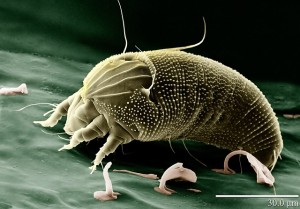 Since there is such a wide variety of substances that a person can be allergic to there is a long history of allergy clinical studies. Having allergies is also often a genetic trait, although the offending allergen can vary from parent to child. This turns some allergy clinical trials into a family affair. If you or someone you know suffers from allergies, you may qualify for an allergy clinical trial.
There are ongoing allergy clinical studies to discover more effective treatments. If you qualify you can help us learn more about the allergies that affect millions every day, at no cost to you. Please review the list of current clinical trials to see which one may be right for you.
What is an Allergy?
An allergy is defined as hypersensitivity in the immune system that is usually caused by exposure to an allergen in the environment. An allergen can be anything from pollen in the air to a specific food that you come in contact with. The symptoms of allergies range from mild congestion to life threatening medical conditions. Since the 1920’s and especially in the last three decades, allergies are increasingly attributed to the environment.
Allergy Treatments
There are many tests that diagnose symptoms as a first step in treating allergies. Tests usually involve exposing a patient to a small amount of the allergen to gauge their reaction. Once diagnosed the best allergy treatment is avoidance. However, with airborne allergens such as hay fever complete avoidance is not always possible. Allergy treatments range from over the counter medications that help alleviate symptoms to immunotherapy where patients are exposed to small amounts of the allergen in the hopes that their body will build up a resistance. In more severe cases prescription drugs are available, but again these can only treat the symptoms and do not alleviate the allergic reaction.
We've found
530 Allergy
clinical trials
Cow Milk Allergy Clinical Trial
A Growth and Hypoallergenicity Study of a New Formula for Infants With Cow Milk Allergy
Status: Enrolling
Updated: 4/22/2008
Click here to add this to my saved trials
 Atopic Dermatitis Clinical Trial
Natural History of Diseases Associated With Allergic Inflammation: Atopic Dermatitis and Genetic and Congenital Diseases Associated With Atopic Pathways
Status: Enrolling,
Phase
Atopic Dermatitis Clinical Trial
Natural History of Diseases Associated With Allergic Inflammation: Atopic Dermatitis and Genetic and Congenital Diseases Associated With Atopic Pathways
Status: Enrolling,
Phase
Updated: 12/31/1969
Click here to add this to my saved trials
Rhinitis Sinusitis Pediatric Chronic Rhinosinusitis Clinical Trial
Study for the Management of Pediatric Chronic Rhinosinusitis With or Without Balloon Sinuplasty
Status: Enrolling,
Phase
III
Updated: 2/11/2015
Click here to add this to my saved trials
Gastroenterology, Neurology, Otolaryngology, Pharmacology / Toxicology Clinical Trial
Molecular Basis of Food Allergy
Status: Enrolling,
Phase
Updated: 12/31/1969
Click here to add this to my saved trials
Food Allergy Clinical Trial
Efficacy and Safety of Viaskin Milk in Children With IgE-Mediated Cow's Milk Allergy
Status: Enrolling,
Phase
I, II
Updated: 3/11/2016
Click here to add this to my saved trials
Atopic Dermatitis Clinical Trial
Trial to Determine the Therapeutic Benefit of an OTC Cream on Dry, Itchy Skin of Adults and Children With Eczema
Status: Enrolling,
Phase
II
Updated: 2/22/2016
Click here to add this to my saved trials
Otolaryngology, Pulmonary / Respiratory Diseases Clinical Trial
Association of Transcutaneous Pulse CO-oximetry With Inflammatory Lung Diseases
Status: Enrolling,
Phase
Updated: 3/23/2018
Click here to add this to my saved trials
Immunology / Infectious Diseases, Oncology, Otolaryngology Clinical Trial
Naloxone Hydrochloride Study for Relief of Pruritus in Patients With MF or SS Forms of CTCL
Status: Enrolling,
Phase
III
Updated: 12/31/1969
Click here to add this to my saved trials
Immunology / Infectious Diseases, Oncology, Otolaryngology Clinical Trial
Naloxone Hydrochloride Study for Relief of Pruritus in Patients With MF or SS Forms of CTCL
Status: Enrolling,
Phase
III
Updated: 12/31/1969
Click here to add this to my saved trials
Immunology / Infectious Diseases, Oncology, Otolaryngology Clinical Trial
Naloxone Hydrochloride Study for Relief of Pruritus in Patients With MF or SS Forms of CTCL
Status: Enrolling,
Phase
III
Updated: 12/31/1969
Click here to add this to my saved trials
Otolaryngology, Pulmonary / Respiratory Diseases, Other Clinical Trial
Children's Respiratory and Environmental Workgroup
Status: Enrolling,
Phase
Updated: 12/31/1969
Click here to add this to my saved trials
Otolaryngology, Pulmonary / Respiratory Diseases, Other Clinical Trial
Children's Respiratory and Environmental Workgroup
Status: Enrolling,
Phase
Updated: 12/31/1969
Click here to add this to my saved trials
Otolaryngology, Pulmonary / Respiratory Diseases, Other Clinical Trial
Children's Respiratory and Environmental Workgroup
Status: Enrolling,
Phase
Updated: 12/31/1969
Click here to add this to my saved trials
Otolaryngology, Pulmonary / Respiratory Diseases, Other Clinical Trial
Children's Respiratory and Environmental Workgroup
Status: Enrolling,
Phase
Updated: 12/31/1969
Click here to add this to my saved trials
Peanut Allergy Clinical Trial
Long-term Safety Study of AR101 in Subjects Who Participated in a Prior AR101 Study (ARC008)
Status: Enrolling,
Phase
III
Updated: 12/31/1969
Click here to add this to my saved trials
Peanut Allergy Clinical Trial
Long-term Safety Study of AR101 in Subjects Who Participated in a Prior AR101 Study (ARC008)
Status: Enrolling,
Phase
III
Updated: 12/31/1969
Click here to add this to my saved trials
Peanut Allergy Clinical Trial
Long-term Safety Study of AR101 in Subjects Who Participated in a Prior AR101 Study (ARC008)
Status: Enrolling,
Phase
III
Updated: 12/31/1969
Click here to add this to my saved trials
Peanut Allergy Clinical Trial
Long-term Safety Study of AR101 in Subjects Who Participated in a Prior AR101 Study (ARC008)
Status: Enrolling,
Phase
III
Updated: 12/31/1969
Click here to add this to my saved trials
Peanut Allergy Clinical Trial
Long-term Safety Study of AR101 in Subjects Who Participated in a Prior AR101 Study (ARC008)
Status: Enrolling,
Phase
III
Updated: 12/31/1969
Click here to add this to my saved trials
Peanut Allergy Clinical Trial
Long-term Safety Study of AR101 in Subjects Who Participated in a Prior AR101 Study (ARC008)
Status: Enrolling,
Phase
III
Updated: 12/31/1969
Click here to add this to my saved trials
Peanut Allergy Clinical Trial
Long-term Safety Study of AR101 in Subjects Who Participated in a Prior AR101 Study (ARC008)
Status: Enrolling,
Phase
III
Updated: 12/31/1969
Click here to add this to my saved trials
Peanut Allergy Clinical Trial
Long-term Safety Study of AR101 in Subjects Who Participated in a Prior AR101 Study (ARC008)
Status: Enrolling,
Phase
III
Updated: 12/31/1969
Click here to add this to my saved trials
Peanut Allergy Clinical Trial
Long-term Safety Study of AR101 in Subjects Who Participated in a Prior AR101 Study (ARC008)
Status: Enrolling,
Phase
III
Updated: 12/31/1969
Click here to add this to my saved trials
Peanut Allergy Clinical Trial
Long-term Safety Study of AR101 in Subjects Who Participated in a Prior AR101 Study (ARC008)
Status: Enrolling,
Phase
III
Updated: 12/31/1969
Click here to add this to my saved trials
Peanut Allergy Clinical Trial
Long-term Safety Study of AR101 in Subjects Who Participated in a Prior AR101 Study (ARC008)
Status: Enrolling,
Phase
III
Updated: 12/31/1969
Click here to add this to my saved trials
Peanut Allergy Clinical Trial
Safety and Efficacy Study of Viaskin Peanut in Peanut-allergic Young Children 1-3 Years of Age
Status: Enrolling,
Phase
III
Updated: 12/31/1969
Click here to add this to my saved trials
Peanut Allergy Clinical Trial
Safety and Efficacy Study of Viaskin Peanut in Peanut-allergic Young Children 1-3 Years of Age
Status: Enrolling,
Phase
III
Updated: 12/31/1969
Click here to add this to my saved trials
Peanut Allergy Clinical Trial
Safety and Efficacy Study of Viaskin Peanut in Peanut-allergic Young Children 1-3 Years of Age
Status: Enrolling,
Phase
III
Updated: 12/31/1969
Click here to add this to my saved trials
Peanut Allergy Clinical Trial
Safety and Efficacy Study of Viaskin Peanut in Peanut-allergic Young Children 1-3 Years of Age
Status: Enrolling,
Phase
III
Updated: 12/31/1969
Click here to add this to my saved trials
Peanut Allergy Clinical Trial
Safety and Efficacy Study of Viaskin Peanut in Peanut-allergic Young Children 1-3 Years of Age
Status: Enrolling,
Phase
III
Updated: 12/31/1969
Click here to add this to my saved trials
Peanut Allergy Clinical Trial
Safety and Efficacy Study of Viaskin Peanut in Peanut-allergic Young Children 1-3 Years of Age
Status: Enrolling,
Phase
III
Updated: 12/31/1969
Click here to add this to my saved trials
Otolaryngology, Pulmonary / Respiratory Diseases Clinical Trial
The Effect of Cetirizine on Bronchoconstriction
Status: Enrolling,
Phase
IV
Updated: 12/31/1969
Click here to add this to my saved trials
Dermatology / Plastic Surgery, Otolaryngology Clinical Trial
Study of the Efficacy, Safety and Tolerability of Serlopitant for the Treatment of Pruritus (Itch) With Prurigo Nodularis
Status: Enrolling,
Phase
III
Updated: 12/31/1969
Click here to add this to my saved trials
Dermatology / Plastic Surgery, Otolaryngology Clinical Trial
Study of the Efficacy, Safety and Tolerability of Serlopitant for the Treatment of Pruritus (Itch) With Prurigo Nodularis
Status: Enrolling,
Phase
III
Updated: 12/31/1969
Click here to add this to my saved trials
Dermatology / Plastic Surgery, Otolaryngology Clinical Trial
Study of the Efficacy, Safety and Tolerability of Serlopitant for the Treatment of Pruritus (Itch) With Prurigo Nodularis
Status: Enrolling,
Phase
III
Updated: 12/31/1969
Click here to add this to my saved trials
Dermatology / Plastic Surgery, Otolaryngology Clinical Trial
Study of the Efficacy, Safety and Tolerability of Serlopitant for the Treatment of Pruritus (Itch) With Prurigo Nodularis
Status: Enrolling,
Phase
III
Updated: 12/31/1969
Click here to add this to my saved trials
Dermatology / Plastic Surgery, Otolaryngology Clinical Trial
Study of the Efficacy, Safety and Tolerability of Serlopitant for the Treatment of Pruritus (Itch) With Prurigo Nodularis
Status: Enrolling,
Phase
III
Updated: 12/31/1969
Click here to add this to my saved trials
Dermatology / Plastic Surgery, Otolaryngology Clinical Trial
Study of the Long Term Safety of Serlopitant for the Treatment of Pruritus (Itch)
Status: Enrolling,
Phase
III
Updated: 12/31/1969
Click here to add this to my saved trials
Prurigo Nodularis Clinical Trial
PRISM Study-Pruritus Relief Through Itch Scratch Modulation
Status: Enrolling,
Phase
II, III
Updated: 12/31/1969
Click here to add this to my saved trials
Chronic Rhinitis Clinical Trial
Posterior Nasal Nerve (PNN) Rhinitis Study
Status: Enrolling
Updated: 12/31/1969
Click here to add this to my saved trials
Chronic Rhinitis Clinical Trial
Registry of Subject Treated With ClariFix
Status: Enrolling,
Phase
Updated: 12/31/1969
Click here to add this to my saved trials
Pruritus Clinical Trial
Study of the Efficacy, Safety, and Tolerability of Serlopitant for the Treatment of Chronic Pruritus of Unknown Origin
Status: Enrolling,
Phase
II
Updated: 12/31/1969
Click here to add this to my saved trials
Pruritus Clinical Trial
Study of the Efficacy, Safety, and Tolerability of Serlopitant for the Treatment of Chronic Pruritus of Unknown Origin
Status: Enrolling,
Phase
II
Updated: 12/31/1969
Click here to add this to my saved trials
Peanut Allergy Clinical Trial
Study in Pediatric Subjects With Peanut Allergy to Evaluate the Efficacy and Safety of Dupilumab as Adjunct to AR101 (Peanut Oral Immunotherapy)
Status: Enrolling,
Phase
II
Updated: 12/31/1969
Click here to add this to my saved trials
Peanut Allergy Clinical Trial
Follow-up of the EPITOPE Study to Evaluate Long-term Efficacy and Safety of DBV712 in Young Children
Status: Enrolling,
Phase
III
Updated: 12/31/1969
Click here to add this to my saved trials
Peanut Allergy Clinical Trial
Follow-up of the EPITOPE Study to Evaluate Long-term Efficacy and Safety of DBV712 in Young Children
Status: Enrolling,
Phase
III
Updated: 12/31/1969
Click here to add this to my saved trials
Allergic Airway Disease Clinical Trial
Classical Conditioning to Treat Allergic Airway Diseases
Status: Enrolling
Updated: 6/23/2005
Click here to add this to my saved trials
Allergic Rhinitis Clinical Trial
Validation of Laser Doppler Flowmetry to Identify Allergic Rhinitis Patients With Pharmacogenetic Alterations in Histamine Metabolism
Status: Enrolling
Updated: 7/6/2011
Click here to add this to my saved trials
Dermatology / Plastic Surgery, Neurology, Otolaryngology, Pharmacology / Toxicology, Pulmonary / Respiratory Diseases Clinical Trial
Evaluation and Long-Term Follow-Up of Patients With Allergic and Inflammatory Disorders
Status: Enrolling,
Phase
Updated: 12/31/1969
Click here to add this to my saved trials
Cow Milk Allergy Clinical Trial
A Growth and Hypoallergenicity Study of a New Formula for Infants With Cow Milk Allergy
Status: Enrolling
Updated: 4/22/2008
Click here to add this to my saved trials
Otolaryngology, Pulmonary / Respiratory Diseases Clinical Trial
Asthma Inflammation Research
Status: Enrolling,
Phase
Updated: 12/31/1969
Click here to add this to my saved trials
Neurology, Otolaryngology Clinical Trial
The Utility of Food-Specific IgE Measured With the IMMULITE 2000 Assay to Predict Symptomatic Food Allergy
Status: Enrolling
Updated: 9/23/2013
Click here to add this to my saved trials
Food Allergy Clinical Trial
Efficacy and Safety of Viaskin Milk in Children With IgE-Mediated Cow's Milk Allergy
Status: Enrolling,
Phase
I, II
Updated: 3/11/2016
Click here to add this to my saved trials
Neurology, Otolaryngology, Pharmacology / Toxicology Clinical Trial
Natural History and Genetics of Food Allergy and Related Conditions
Status: Enrolling,
Phase
Updated: 12/31/1969
Click here to add this to my saved trials
Atopic Dermatitis Clinical Trial
Trial to Determine the Therapeutic Benefit of an OTC Cream on Dry, Itchy Skin of Adults and Children With Eczema
Status: Enrolling,
Phase
II
Updated: 2/22/2016
Click here to add this to my saved trials
Cholestasis Clinical Trial
Dose Response Study of GSK2330672 for the Treatment of Pruritus in Patients With Primary Biliary Cholangitis
Status: Enrolling,
Phase
II
Updated: 12/31/1969
Click here to add this to my saved trials
Cholestasis Clinical Trial
Dose Response Study of GSK2330672 for the Treatment of Pruritus in Patients With Primary Biliary Cholangitis
Status: Enrolling,
Phase
II
Updated: 12/31/1969
Click here to add this to my saved trials
Cholestasis Clinical Trial
Dose Response Study of GSK2330672 for the Treatment of Pruritus in Patients With Primary Biliary Cholangitis
Status: Enrolling,
Phase
II
Updated: 12/31/1969
Click here to add this to my saved trials
Ophthalmology, Otolaryngology Clinical Trial
Study Evaluating Safety of Ragweed Mix Given by Intralymphatic Node Injections
Status: Enrolling,
Phase
I
Updated: 3/14/2017
Click here to add this to my saved trials
Immunology / Infectious Diseases, Oncology, Otolaryngology Clinical Trial
Naloxone Hydrochloride Study for Relief of Pruritus in Patients With MF or SS Forms of CTCL
Status: Enrolling,
Phase
III
Updated: 12/31/1969
Click here to add this to my saved trials
Immunology / Infectious Diseases, Oncology, Otolaryngology Clinical Trial
Naloxone Hydrochloride Study for Relief of Pruritus in Patients With MF or SS Forms of CTCL
Status: Enrolling,
Phase
III
Updated: 12/31/1969
Click here to add this to my saved trials
Immunology / Infectious Diseases, Oncology, Otolaryngology Clinical Trial
Naloxone Hydrochloride Study for Relief of Pruritus in Patients With MF or SS Forms of CTCL
Status: Enrolling,
Phase
III
Updated: 12/31/1969
Click here to add this to my saved trials
Immunology / Infectious Diseases, Oncology, Otolaryngology Clinical Trial
Naloxone Hydrochloride Study for Relief of Pruritus in Patients With MF or SS Forms of CTCL
Status: Enrolling,
Phase
III
Updated: 12/31/1969
Click here to add this to my saved trials
Immunology / Infectious Diseases, Oncology, Otolaryngology Clinical Trial
Naloxone Hydrochloride Study for Relief of Pruritus in Patients With MF or SS Forms of CTCL
Status: Enrolling,
Phase
III
Updated: 12/31/1969
Click here to add this to my saved trials
Immunology / Infectious Diseases, Oncology, Otolaryngology Clinical Trial
Naloxone Hydrochloride Study for Relief of Pruritus in Patients With MF or SS Forms of CTCL
Status: Enrolling,
Phase
III
Updated: 12/31/1969
Click here to add this to my saved trials
Pruritus Clinical Trial
Does IV Ondansetron Prevent Pruritus After Intrathecal Morphine in Pediatric Patients?
Status: Enrolling,
Phase
IV
Updated: 12/31/1969
Click here to add this to my saved trials
Peanut Allergy Clinical Trial
Early Peanut Introduction: Translation to Clinical Practice
Status: Enrolling,
Phase
Updated: 12/31/1969
Click here to add this to my saved trials
Neurology, Otolaryngology, Pharmacology / Toxicology Clinical Trial
Safer Food Allergy Management for Adolescents
Status: Enrolling
Updated: 12/31/1969
Click here to add this to my saved trials
Otolaryngology, Pulmonary / Respiratory Diseases, Other Clinical Trial
Children's Respiratory and Environmental Workgroup
Status: Enrolling,
Phase
Updated: 12/31/1969
Click here to add this to my saved trials
Otolaryngology, Pulmonary / Respiratory Diseases, Other Clinical Trial
Children's Respiratory and Environmental Workgroup
Status: Enrolling,
Phase
Updated: 12/31/1969
Click here to add this to my saved trials
Peanut Allergy Clinical Trial
Long-term Safety Study of AR101 in Subjects Who Participated in a Prior AR101 Study (ARC008)
Status: Enrolling,
Phase
III
Updated: 12/31/1969
Click here to add this to my saved trials
Peanut Allergy Clinical Trial
Long-term Safety Study of AR101 in Subjects Who Participated in a Prior AR101 Study (ARC008)
Status: Enrolling,
Phase
III
Updated: 12/31/1969
Click here to add this to my saved trials
Peanut Allergy Clinical Trial
Long-term Safety Study of AR101 in Subjects Who Participated in a Prior AR101 Study (ARC008)
Status: Enrolling,
Phase
III
Updated: 12/31/1969
Click here to add this to my saved trials
Peanut Allergy Clinical Trial
Long-term Safety Study of AR101 in Subjects Who Participated in a Prior AR101 Study (ARC008)
Status: Enrolling,
Phase
III
Updated: 12/31/1969
Click here to add this to my saved trials
Peanut Allergy Clinical Trial
Long-term Safety Study of AR101 in Subjects Who Participated in a Prior AR101 Study (ARC008)
Status: Enrolling,
Phase
III
Updated: 12/31/1969
Click here to add this to my saved trials
Peanut Allergy Clinical Trial
Long-term Safety Study of AR101 in Subjects Who Participated in a Prior AR101 Study (ARC008)
Status: Enrolling,
Phase
III
Updated: 12/31/1969
Click here to add this to my saved trials
Peanut Allergy Clinical Trial
Long-term Safety Study of AR101 in Subjects Who Participated in a Prior AR101 Study (ARC008)
Status: Enrolling,
Phase
III
Updated: 12/31/1969
Click here to add this to my saved trials
Peanut Allergy Clinical Trial
Safety and Efficacy Study of Viaskin Peanut in Peanut-allergic Young Children 1-3 Years of Age
Status: Enrolling,
Phase
III
Updated: 12/31/1969
Click here to add this to my saved trials
Peanut Allergy Clinical Trial
Safety and Efficacy Study of Viaskin Peanut in Peanut-allergic Young Children 1-3 Years of Age
Status: Enrolling,
Phase
III
Updated: 12/31/1969
Click here to add this to my saved trials
Peanut Allergy Clinical Trial
Safety and Efficacy Study of Viaskin Peanut in Peanut-allergic Young Children 1-3 Years of Age
Status: Enrolling,
Phase
III
Updated: 12/31/1969
Click here to add this to my saved trials
Peanut Allergy Clinical Trial
Safety and Efficacy Study of Viaskin Peanut in Peanut-allergic Young Children 1-3 Years of Age
Status: Enrolling,
Phase
III
Updated: 12/31/1969
Click here to add this to my saved trials
Peanut Allergy Clinical Trial
Salvage Peanut Oral Immunotherapy Study
Status: Enrolling,
Phase
I, II
Updated: 12/31/1969
Click here to add this to my saved trials
Dermatology / Plastic Surgery, Otolaryngology Clinical Trial
Study of the Long Term Safety of Serlopitant for the Treatment of Pruritus (Itch)
Status: Enrolling,
Phase
III
Updated: 12/31/1969
Click here to add this to my saved trials
Dermatology / Plastic Surgery, Otolaryngology Clinical Trial
Study of the Long Term Safety of Serlopitant for the Treatment of Pruritus (Itch)
Status: Enrolling,
Phase
III
Updated: 12/31/1969
Click here to add this to my saved trials
Dermatology / Plastic Surgery, Otolaryngology Clinical Trial
Study of the Long Term Safety of Serlopitant for the Treatment of Pruritus (Itch)
Status: Enrolling,
Phase
III
Updated: 12/31/1969
Click here to add this to my saved trials
Dermatology / Plastic Surgery, Otolaryngology Clinical Trial
Study of the Long Term Safety of Serlopitant for the Treatment of Pruritus (Itch)
Status: Enrolling,
Phase
III
Updated: 12/31/1969
Click here to add this to my saved trials
Dermatology / Plastic Surgery, Otolaryngology Clinical Trial
Study of the Efficacy, Safety and Tolerability of Serlopitant for the Treatment of Pruritus (Itch) With Prurigo Nodularis
Status: Enrolling,
Phase
III
Updated: 12/31/1969
Click here to add this to my saved trials
Allergic Rhinitis Clinical Trial
Dupilumab As An Adjunct For Subcutaneous Grass Immunotherapy
Status: Enrolling,
Phase
II
Updated: 12/31/1969
Click here to add this to my saved trials
Allergic Rhinitis Clinical Trial
Dupilumab As An Adjunct For Subcutaneous Grass Immunotherapy
Status: Enrolling,
Phase
II
Updated: 12/31/1969
Click here to add this to my saved trials
Prurigo Nodularis Clinical Trial
PRISM Study-Pruritus Relief Through Itch Scratch Modulation
Status: Enrolling,
Phase
II, III
Updated: 12/31/1969
Click here to add this to my saved trials
Peanut Allergy Clinical Trial
Peanut Oral Immunotherapy Study of Early Intervention for Desensitization
Status: Enrolling,
Phase
III
Updated: 12/31/1969
Click here to add this to my saved trials
Chronic Rhinitis Clinical Trial
Registry of Subject Treated With ClariFix
Status: Enrolling,
Phase
Updated: 12/31/1969
Click here to add this to my saved trials
Peanut Allergy Clinical Trial
A Study to Evaluate Safety, Tolerability and Immune Response in Adolescents Allergic to Peanut After Receiving Intradermal Administration of ASP0892 (ARA-LAMP-vax), a Single Multivalent Peanut (Ara h1, h2, h3) Lysosomal Associated Membrane Protein DNA Plasmid Vaccine
Status: Enrolling,
Phase
I
Updated: 12/31/1969
Click here to add this to my saved trials
Peanut Allergy Clinical Trial
Study in Pediatric Subjects With Peanut Allergy to Evaluate the Efficacy and Safety of Dupilumab as Adjunct to AR101 (Peanut Oral Immunotherapy)
Status: Enrolling,
Phase
II
Updated: 12/31/1969
Click here to add this to my saved trials
Dermatology / Plastic Surgery, Neurology, Otolaryngology Clinical Trial
Food-Specific and Component IgE Threshold Levels That Predict Food Allergy in People With Elevated Total Serum IgE Levels and Atopic Dermatitis
Status: Enrolling,
Phase
II
Updated: 12/31/1969
Click here to add this to my saved trials
Pruritus Clinical Trial
Study of the Efficacy, Safety, and Tolerability of Serlopitant for the Treatment of Chronic Pruritus of Unknown Origin
Status: Enrolling,
Phase
II
Updated: 12/31/1969
Click here to add this to my saved trials
Peanut Allergy Clinical Trial
Follow-up of the EPITOPE Study to Evaluate Long-term Efficacy and Safety of DBV712 in Young Children
Status: Enrolling,
Phase
III
Updated: 12/31/1969
Click here to add this to my saved trials
Peanut Allergy Clinical Trial
Follow-up of the EPITOPE Study to Evaluate Long-term Efficacy and Safety of DBV712 in Young Children
Status: Enrolling,
Phase
III
Updated: 12/31/1969
Click here to add this to my saved trials
Gastroenterology, Otolaryngology, Pharmacology / Toxicology Clinical Trial
Data and Sample Collection Study to Elucidate the Mechanisms of Eosinophilic Disorders
Status: Enrolling
Updated: 11/10/2015
Click here to add this to my saved trials
Cow Milk Allergy Clinical Trial
A Growth and Hypoallergenicity Study of a New Formula for Infants With Cow Milk Allergy
Status: Enrolling
Updated: 4/22/2008
Click here to add this to my saved trials
Updated: 4/22/2008
Updated: 12/31/1969
Updated: 2/11/2015
Updated: 12/31/1969
Updated: 3/11/2016
Updated: 2/22/2016
Updated: 3/23/2018
Updated: 12/31/1969
Updated: 12/31/1969
Updated: 12/31/1969
Updated: 12/31/1969
Updated: 12/31/1969
Updated: 12/31/1969
Updated: 12/31/1969
Updated: 12/31/1969
Updated: 12/31/1969
Updated: 12/31/1969
Updated: 12/31/1969
Updated: 12/31/1969
Updated: 12/31/1969
Updated: 12/31/1969
Updated: 12/31/1969
Updated: 12/31/1969
Updated: 12/31/1969
Updated: 12/31/1969
Updated: 12/31/1969
Updated: 12/31/1969
Updated: 12/31/1969
Updated: 12/31/1969
Updated: 12/31/1969
Updated: 12/31/1969
Updated: 12/31/1969
Updated: 12/31/1969
Updated: 12/31/1969
Updated: 12/31/1969
Updated: 12/31/1969
Updated: 12/31/1969
Updated: 12/31/1969
Updated: 12/31/1969
Updated: 12/31/1969
Updated: 12/31/1969
Updated: 12/31/1969
Updated: 12/31/1969
Updated: 12/31/1969
Updated: 12/31/1969
Updated: 12/31/1969
Updated: 6/23/2005
Updated: 7/6/2011
Updated: 12/31/1969
Updated: 4/22/2008
Updated: 12/31/1969
Updated: 9/23/2013
Updated: 3/11/2016
Updated: 12/31/1969
Updated: 2/22/2016
Updated: 12/31/1969
Updated: 12/31/1969
Updated: 12/31/1969
Updated: 3/14/2017
Updated: 12/31/1969
Updated: 12/31/1969
Updated: 12/31/1969
Updated: 12/31/1969
Updated: 12/31/1969
Updated: 12/31/1969
Updated: 12/31/1969
Updated: 12/31/1969
Updated: 12/31/1969
Updated: 12/31/1969
Updated: 12/31/1969
Updated: 12/31/1969
Updated: 12/31/1969
Updated: 12/31/1969
Updated: 12/31/1969
Updated: 12/31/1969
Updated: 12/31/1969
Updated: 12/31/1969
Updated: 12/31/1969
Updated: 12/31/1969
Updated: 12/31/1969
Updated: 12/31/1969
Updated: 12/31/1969
Updated: 12/31/1969
Updated: 12/31/1969
Updated: 12/31/1969
Updated: 12/31/1969
Updated: 12/31/1969
Updated: 12/31/1969
Updated: 12/31/1969
Updated: 12/31/1969
Updated: 12/31/1969
Updated: 12/31/1969
Updated: 12/31/1969
Updated: 12/31/1969
Updated: 12/31/1969
Updated: 12/31/1969
Updated: 12/31/1969
Updated: 12/31/1969
Updated: 11/10/2015
Updated: 4/22/2008